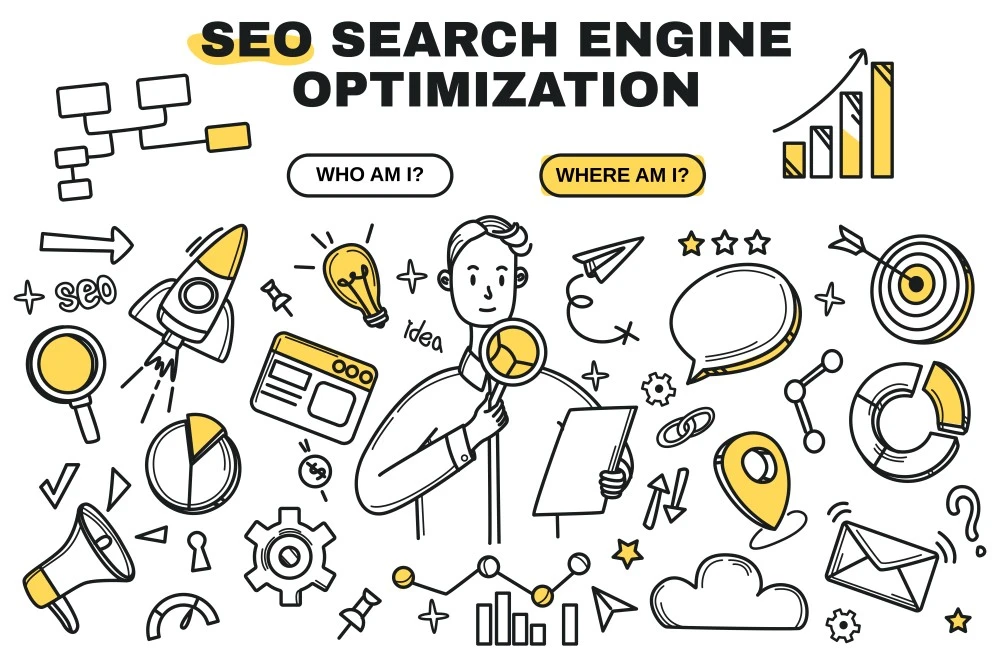
Launching a new website is exciting — but it can also be overwhelming, especially when you want to ensure it ranks well on search engines like Google. Many new site owners wonder: “How do I get my website indexed, ranked, and found by the right audience?” This is where search engine optimization becomes essential. Whether you’re a business owner, blogger, freelancer, or startup, understanding how to optimize a new website for search engines is crucial for long-term online visibility.
In this comprehensive guide, you’ll learn how to optimize a new website step-by-step using modern SEO strategies — from technical setup to on-page tweaks and off-page tactics.
Before diving deep into content creation or backlink strategies, it’s important to follow a well-structured search engine optimization road map for fresh and new website projects. This roadmap typically starts with laying a strong technical foundation — including setting up proper site architecture, submitting your sitemap, and fixing any crawl issues. Once the basics are in place, you can gradually move toward keyword-targeted content, on-page improvements, and off-page strategies. Following a clear roadmap not only saves time but also ensures your SEO efforts are aligned from day one.
In this comprehensive guide, you’ll learn
Step-by-step guide to improving a new website’s visibility in search results.
using modern SEO strategies — from technical setup to on-page tweaks and off-page tactics.
Why SEO Matters for Every New Website
Before we dive into the “how,” let’s understand the “why.”
SEO enables search engines to find your website, interpret its content, and display it for relevant searches. Without it, your site might go unnoticed by potential visitors. Unlike paid ads, organic SEO traffic is sustainable, cost-effective, and continues to grow over time. For new websites, building search engine visibility early can make the difference between fast growth and digital obscurity.
Key benefits:
- Drives free, consistent traffic
- Builds online authority and trust
- Increases visibility across Google and other search engines
- Offers long-term ROI
Step 1: Set Up SEO Foundations Before Publishing
Buy a Clean Domain and Choose the Right Hosting
Your domain name should be relevant, brandable, and preferably free of spammy history. Use tools like Wayback Machine or SpamZilla to check if the domain was misused before.
Fast and secure hosting also plays a role in SEO. Google considers page speed and uptime in its ranking factors.
Set Up Google Search Console and Google Analytics
These two tools are essential. Google Search Console allows you to:
- Submit your sitemap
- Track indexing status
- Monitor keyword rankings
- Fix crawl errors
Google Analytics helps you understand your audience and their behavior, which is key for content strategy.
Submit Sitemap and Create Robots.txt
A sitemap acts like a roadmap, guiding search engines to every important page on your website with ease. Most CMS platforms (like WordPress) generate it automatically. Use the sitemap submission tool in Google Search Console.
Set up a robots.txt file to tell search engines which parts of your site they should access and which to skip.
Use tools like Screaming Frog or Yoast SEO plugin to audit your sitemap and robots.txt file.
Step 2: Perform Keyword Research for Every Page
Keyword research is the backbone of on-page SEO. Every page — including your homepage, service pages, and blog posts — should be optimized around a relevant keyword.
Steps to find keywords:
- Use free or paid tools like Ubersuggest, Google Keyword Planner, or Ahrefs.
- Target long-tail keywords that have less competition and reflect specific user intent.
- Incorporate related semantic keywords to strengthen and support your main keyword.
Example: Primary keyword: “optimize a new website for search engines”
Step 3: Create SEO-Friendly Website Structure
Use Clear Site Architecture and Internal Linking
A clear and organized website structure makes it easier for search engines to crawl and enhances the user experience. Your site should follow a hierarchical format:
Homepage > Category > Sub-category > Individual Page/Post
Use internal linking to connect related pages. This helps distribute authority and improves user navigation.
Best practices:
- Keep URLs short, descriptive, and keyword-rich
- Avoid broken links
- Use breadcrumb navigation
Step 4: On-Page SEO Optimization (Page-by-Page)
Optimize Title Tags, Meta Descriptions, and Headings
Each page should have a unique:
- Title tag (under 60 characters)
- Meta description (under 155 characters)
- H1 tag (your main headline)
Naturally include the primary keyword and use persuasive language to boost CTR.
Use Alt Text for Images and Compress Them
Add descriptive alt text to every image. This improves image SEO and helps visually impaired users. Compress images using tools like TinyPNG or ShortPixel to speed up loading time.
Use Schema Markup for Rich Snippets
Structured data (schema.org) helps search engines understand your content better and show rich results like FAQs, reviews, or product ratings.
Use Google’s Rich Results Test to check and verify your structured data markup
Step 5: Publish High-Quality, Keyword-Rich Content
Content is still king — especially when it’s original, informative, and valuable. Each page or blog post should:
- Solve a specific problem
- Target one primary keyword
- Include related LSI keywords naturally
- Be structured with subheadings, bullet points, and visuals
Avoid keyword stuffing. Instead, aim for readability and user intent.
Examples of good content goals:
- Blog: “10 SEO Mistakes New Website Owners Make”
- Service page: “Affordable Web Design for Small Businesses”
Step 6: Technical SEO Checklist for New Websites
Don’t ignore technical SEO, especially for new websites.
Key elements to optimize:
- Mobile responsiveness (use Google’s Mobile-Friendly Test)
- HTTPS (SSL certificate is a must)
- Page speed (check with PageSpeed Insights)
- Canonical tags (avoid duplicate content issues)
- Fix 404 errors and broken links
Step 7: Off-Page SEO – Strengthen Your Website’s Authority
No matter how good your content is, your site won’t rank well without quality backlinks.
How to build links for a new website:
- Submit your site to niche directories
- Create social media profiles (Facebook, LinkedIn, Twitter)
- Guest posting on niche-relevant blogs
- Blog commenting (genuine, value-adding comments)
- Outreach for contextual backlinks
Start slow but focus on quality over quantity.
Step 8: Monitor, Analyze & Improve SEO Performance
SEO isn’t a one-time task. Use tools to regularly track your progress:
- Google Search Console: keyword rankings, crawl errors
- Google Analytics: monitor bounce rate, track traffic sources, and analyze time spent on each page.
- Ahrefs or SEMrush: backlink growth, competitor research
Check your data weekly and update low-performing pages.
Common Mistakes to Avoid When Optimizing a New Website
- Ignoring mobile optimization
- Publishing thin or duplicate content
- Not submitting a sitemap
- Forgetting internal linking
- Stuffing keywords unnaturally
- Skipping page speed optimization
Avoiding these mistakes early can save you months of lost rankings and traffic.
SEO Is a Long-Term Game – Stay Consistent
Search engine optimization takes time, especially for brand-new websites. Don’t expect overnight results. But if you stick to the fundamentals — technical setup, keyword-rich content, on-page tweaks, and backlink building — you’ll start seeing steady progress in traffic and rankings.
Getting started with SEO for a brand new website may feel overwhelming at first, but with the right steps and mindset, it becomes a powerful foundation for long-term growth. By focusing on technical setup, content creation, and consistent optimization, even a brand-new site can start building visibility and trust in the eyes of both users and search engines. Remember, SEO isn’t a one-time task — it’s an ongoing process that pays off over time. Stay patient, keep learning, and let your efforts compound as your site grows.